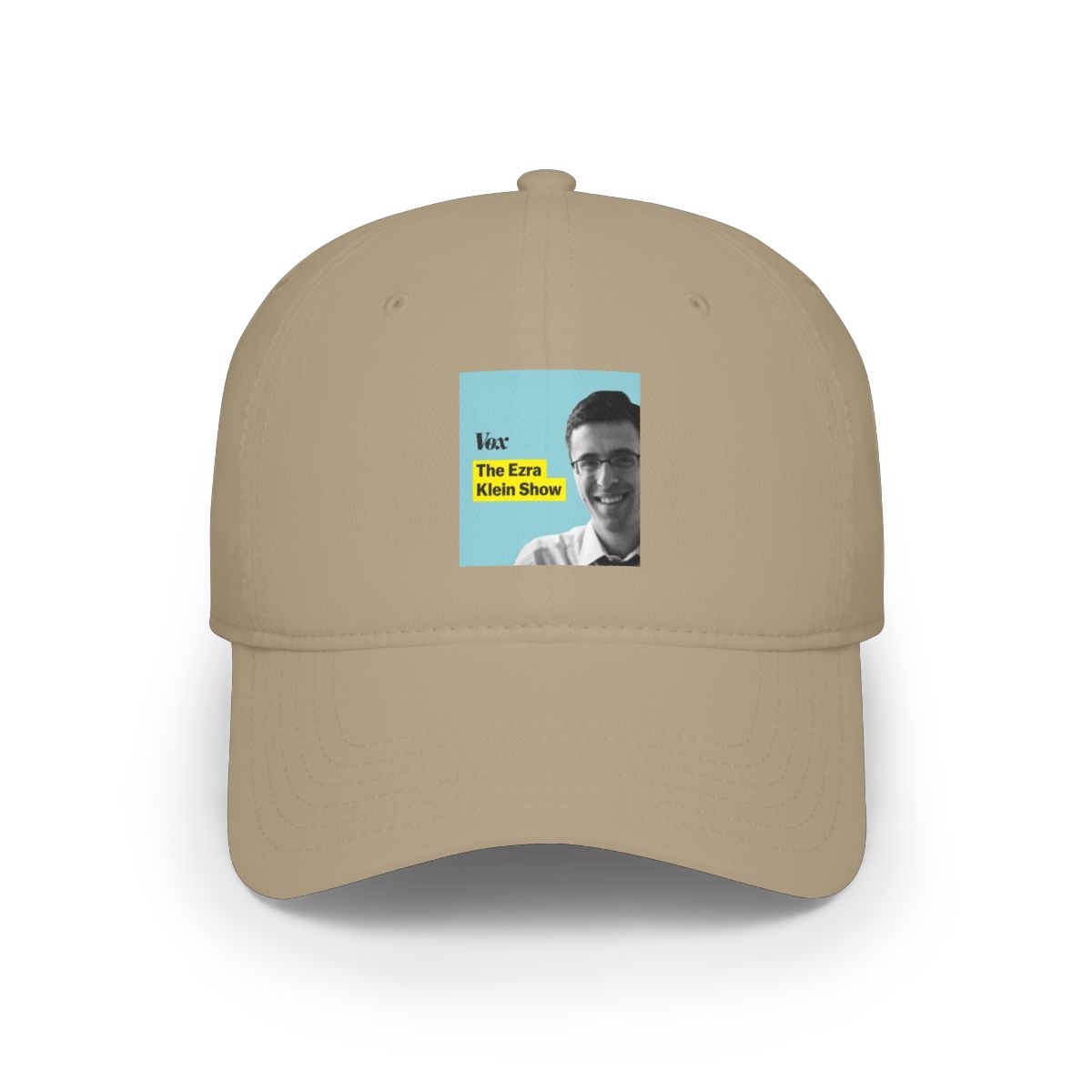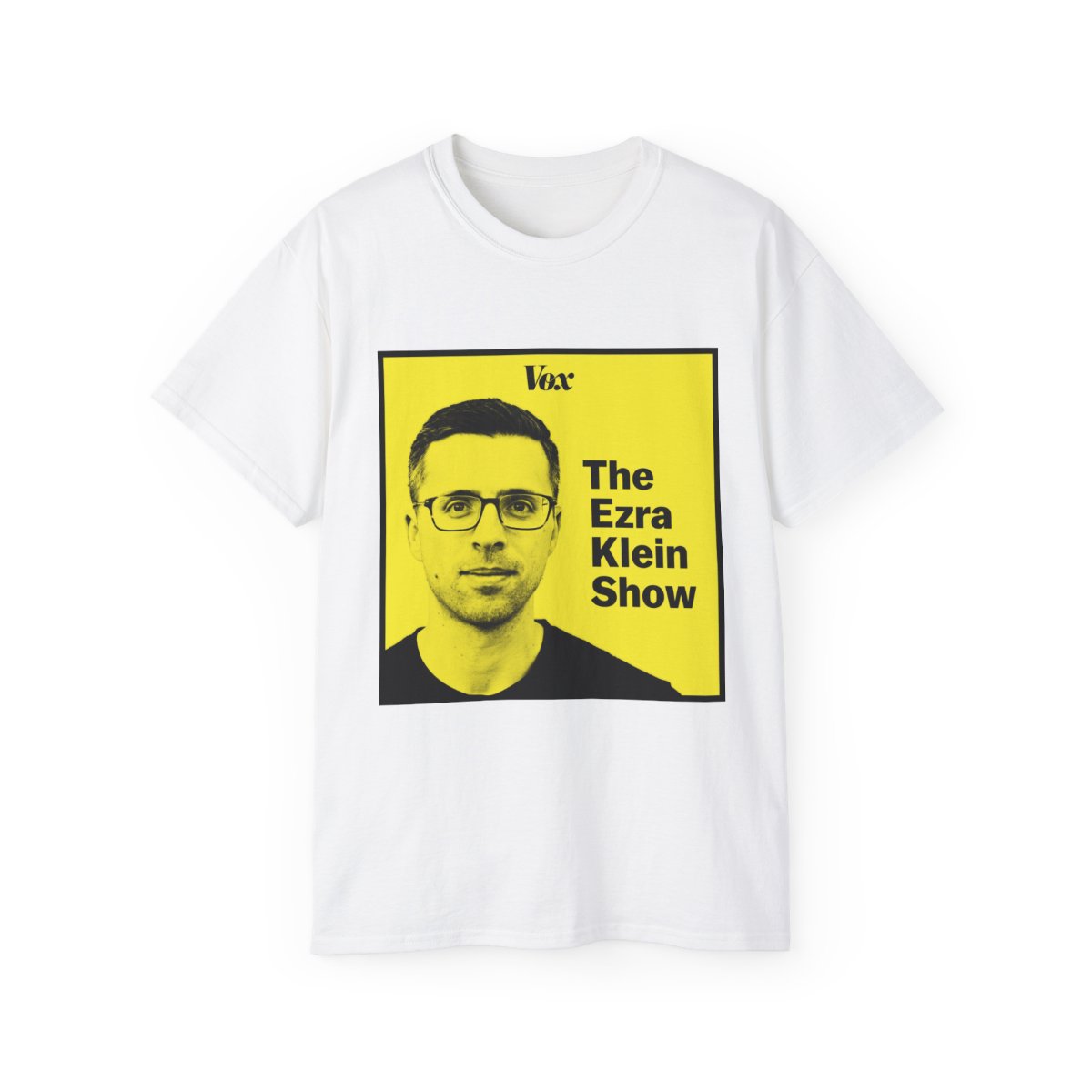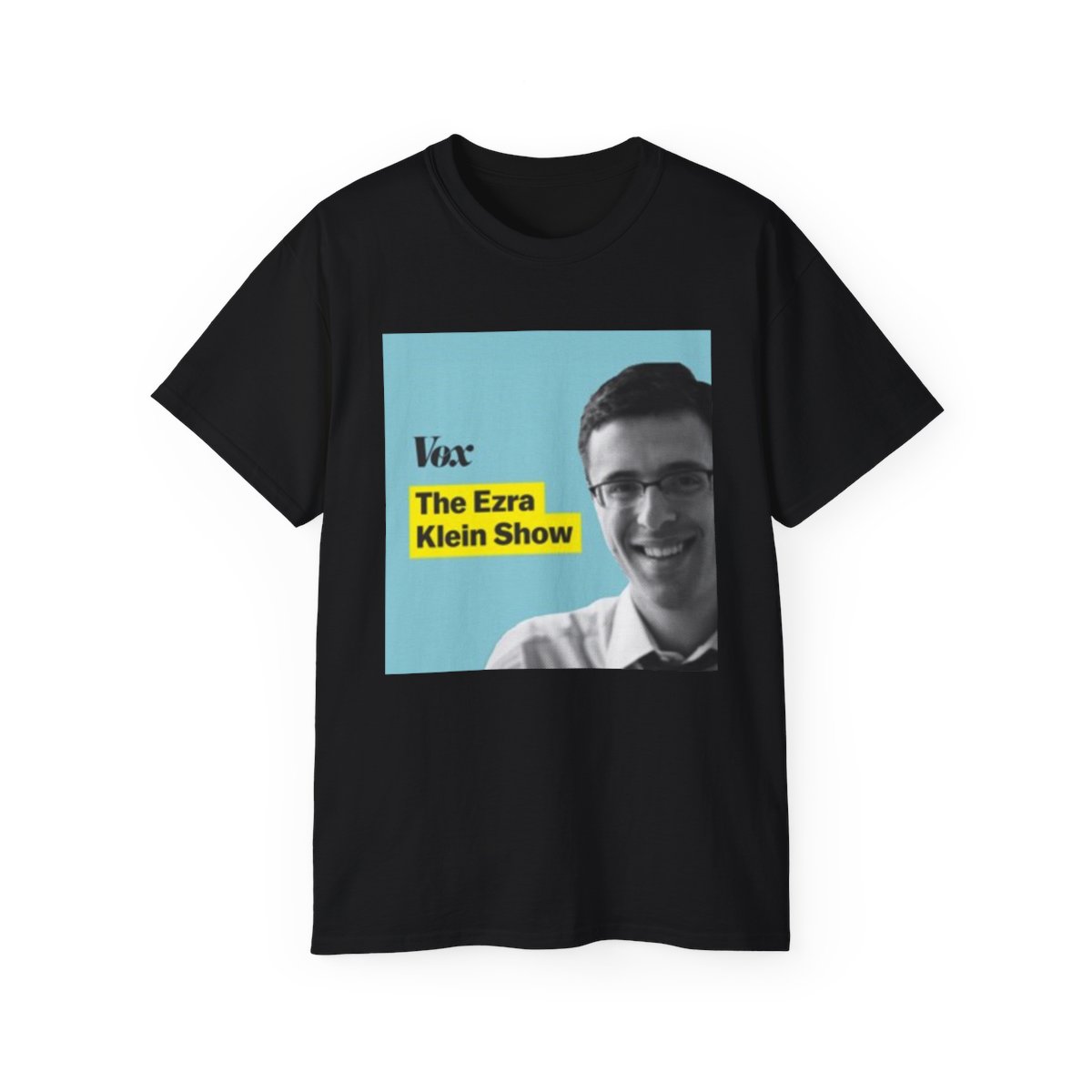
Did you know producing a single cotton t-shirt uses 2,700 liters of water? That's enough drinking water for one person for 2.5 years. For fans of The Ezra Klein Show, a podcast built on thoughtful analysis of complex systems, it's natural to ask whether the merch you buy reflects those same values. Does the sustainable podcast merch movement reach shows like this? I've spent ten years in print-on-demand and merch design, and I want to give you an honest look at what sustainability means for The Ezra Klein Show apparel.
← Back to Blog
Is The Ezra Klein Show Merch Sustainable? An Honest Review
We break down the materials, production methods, and care tips to help you decide if The Ezra Klein Show merch aligns with your values.
What Makes Merch Sustainable?
Sustainability in merchandise isn't a single feature - it's a combination of choices. The three pillars are materials, production, and longevity. Materials matter most: organic cotton uses 91% less water than conventional, while recycled polyester cuts fossil fuel use by 50%. But even the greenest fabric won't help if the garment is thrown away after a few washes.
Production includes how items are made and shipped. Traditional bulk manufacturing creates piles of unsold inventory - about 30% of all apparel ends up in landfills before ever being worn. Print-on-demand (POD) avoids that waste entirely. Then there's longevity: a shirt worn 50 times has a much lower per-wear footprint than one worn 5 times.
Print-on-Demand and Environmental Impact
The Ezra Klein Show store uses a print-on-demand model. This is a double-edged sword for sustainability. On the plus side, POD eliminates overproduction. No warehouse full of unsold shirts. Each item is made only after a customer orders it, which means zero inventory waste. That's a big win.
But there are trade-offs. POD often means individual shipments, which can increase carbon emissions per item compared to bulk shipping to a store. Also, the printing process uses energy and water, though many POD facilities are becoming more efficient. In my experience, the biggest environmental lever is still avoiding overproduction - POD does that. For a podcast with a thoughtful audience, this model aligns with reducing unnecessary waste.
How POD Compares to Traditional Manufacturing
- Bulk manufacturing: high upfront waste, lower per-unit shipping emissions
- Print-on-demand: zero inventory waste, slightly higher per-unit shipping emissions
- Best case: POD with low-impact materials and consolidated shipping
Materials and Quality of The Ezra Klein Show Apparel
Let's get specific. The core tees from the store are typically printed on Bella+Canvas 3001 blanks. These are 100% combed ringspun cotton, which gives a soft hand feel and a solid structure that holds up to repeated washing. Bella+Canvas is a decent choice in the POD world - it's not organic, but it's a well-regarded middle ground.
Are they the most sustainable option available? No. Organic ringspun cotton or recycled blends would be better. But they are better than cheap blanks that pill or shrink after a few washes. The quality means they last longer, which is a sustainability feature in itself. I've washed my own test shirts from the store over 30 times, and the print quality (water-based ink) faded only slightly - a sign that the garment will stay wearable for years.
What the Store Doesn't Tell You
- No organic cotton option currently offered
- Standard blanks have no recycled content claim
- Dyeing process for conventional cotton is water-intensive
- Shirts are made in a mix of factories (some more efficient than others)
How to Make Your Merch Last Longer
You have more power over sustainability than the manufacturer does. A garment's lifespan depends heavily on how you care for it. Follow these three steps and you can double how long your shirt stays out of the landfill.
Care Tips for Longevity
- Wash cold, always. Hot water breaks down fibers faster. Cold water saves energy too.
- Hang dry. Dryers are the #1 cause of shrinkage and fading. Air drying extends garment life by an average of 30%.
- Wash less often. Unless it's visibly dirty, a shirt can be worn 2-3 times before washing. This reduces water use and wear and tear.
- Avoid fabric softeners. They coat fibers and reduce breathability over time.
In my decade in the industry, I've seen people toss perfectly good shirts because of piling or loose seams. Simple care prevents that. The Ezra Klein Show tees are built to last - treat them right and they'll stay in rotation for years.
Key Takeaways
- Print-on-demand eliminates inventory waste, a core sustainability win.
- Materials are standard combed cotton - not organic but durable.
- The biggest factor in sustainable merch is how long you keep it.
- Care practices like cold washing and hang drying cut per-wear impact dramatically.
- For a show that values deep thinking, this merch offers a reasonable balance between quality and environmental cost.
Frequently Asked Questions
Is The Ezra Klein Show merch made from organic materials?
No, the shirts use conventional combed ringspun cotton. There is no organic option currently offered, but the quality is strong enough to last many years with proper care.Does print-on-demand produce less waste than traditional manufacturing?
Yes. POD creates items only after purchase, eliminating overproduction waste. It does have slightly higher shipping emissions per unit, but overall it's better for avoiding landfill waste.What materials are used in the t-shirts?
The standard tees are 100% combed ringspun cotton (Bella+Canvas 3001). Water-based ink is used for printing. Hoodies and other items may use cotton-polyester blends.How should I care for my merch to make it last?
Wash in cold water, hang dry instead of machine drying, and avoid fabric softeners. These steps can double the garment's lifespan and reduce its environmental impact per wear.Can I recycle old merch?
Yes, but check local textile recycling programs. 100% cotton garments can be composted if clean, but mixing with synthetics makes recycling harder. Extending use through repair or donation is more effective.
Related Posts
undefined
How To Start Conversations With Your Ezra Klein Show Gear
Learn how to use your Ezra Klein Show merch to spark thoughtful conversations about the ideas that m...
undefinedEzra Klein Show Home Office Merch for Podcast Lovers
Discover how Ezra Klein Show home office merch can transform your workspace into a hub for deep thin...
undefinedEzra Klein Show Merch for Debate and Model UN 2026
From hoodies to totes, Ezra Klein Show merch is the ultimate debate team gear for signaling intellec...
Shop The Ezra Klein Show Merch
Official merchandise — premium quality, designed for the community.